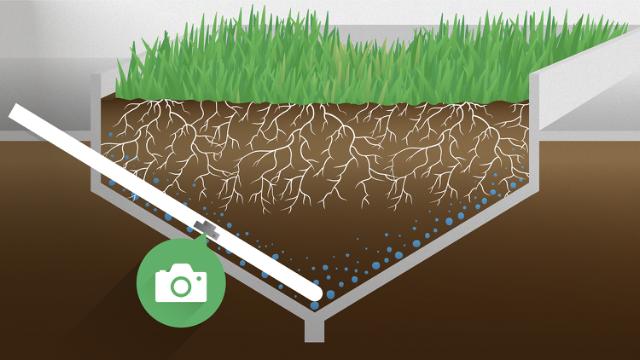
Roots
Changing environmental and climatic conditions challenge your forage production. Grasses that can better handle spring and early summer drought will result in a healthy and high yielding crop.
.jpg&width=640&format=webp&quality=99)
Forage crops are ideal source of food for livestock, and can aid in the production of energy for milk, meat and biogas production.
Agricultural & Specialist Seeds Team:
Telephone: 01506 894820
Email: forage@dlf.co.uk
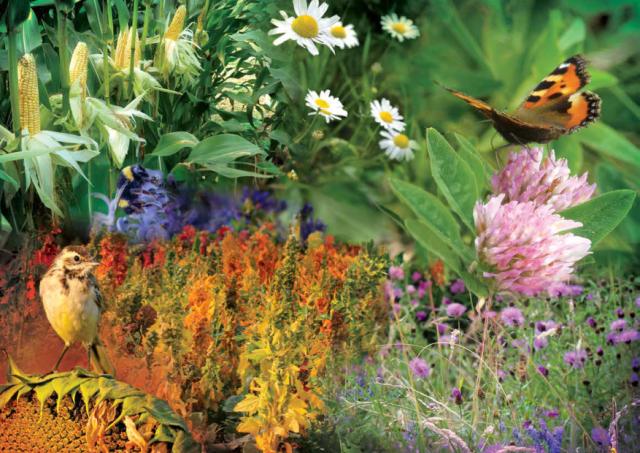
Your Countryside others a diverse range of species and a choice of specialist mixtures, including Game Cover, Environmental Stewardship, Root Crops and Cover Crops.
Changing environmental and climatic conditions challenge your forage production. Grasses that can better handle spring and early summer drought will result in a healthy and high yielding crop.
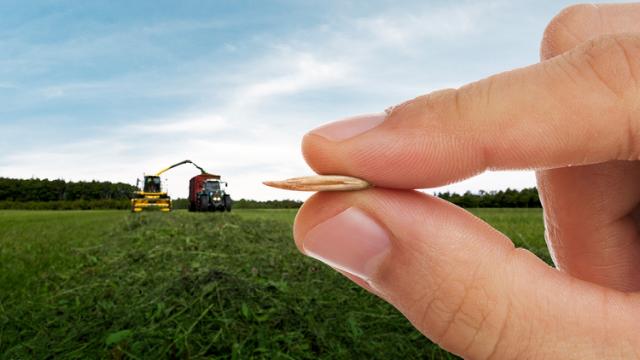
Higher forage quality. Excellent tolerance. Better yields. There are plenty of great reasons to give the green light to PLUS grasses.
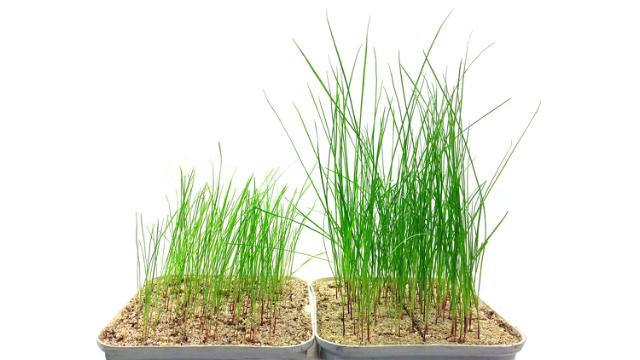
Everybody needs good nutrition to grow. Grass seeds are no exception. That’s why we send our ProNitro® coated seeds into the world with a packed lunch full of nitrogen that will fuel germination and growth.
Our top quality grasses labeled as DLF Fiber Energy improve nutritional intake. The result is more milk and/or meat yields and at the same time a reduced climatic impact.
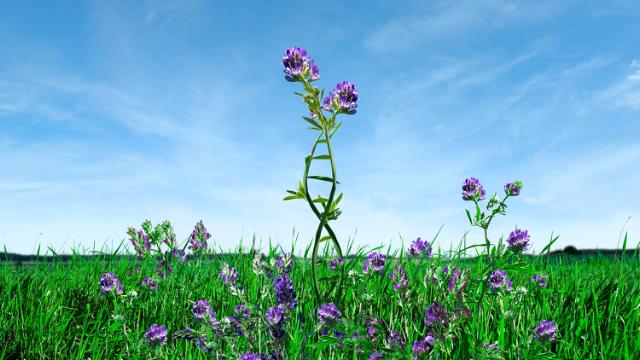
High drought tolerance, excellent yield with a high protein content and not least a natural nitrogen source. The reasons for choosing DLF Alfalfa are manyfold.

Our top quality grasses labeled as DLF Fiber Energy improve nutritional intake. The result is more milk and/or meat yields and at the same time a reduced climatic impact.

September 22nd will be remembered as a significant day for English agriculture. In six hours, the entire £253 million budget allocated to SFI26 was committed to, bringing applications to an abrupt close and leaving thousand of farmers questioning what happened, who secured funding and what will come next for them?

DLF Seeds has been appointed as the new partner for the Agri-Food and Biosciences Institute’s (AFBI) internationally recognised forage grass breeding programme. This partnership will bring together AFBI's successful grass breeding programme at Loughgall and DLF's international expertise in variety development, grass seed genetics and grassland innovation.

Defra has now released the headline details of the Sustainable Farming Incentive (SFI) 2026 for England following announcements yesterday at the NFU conference. The revised offer opening this summer shows some significant changes, a more streamlined structure, revised payment rates and a £100,000 payment cap on agreements designed to ensure support of funding is distributed more effectively across farm businesses.